



Varicose Veins and Running: Is Running Dangerous for Your Veins?
Introduction
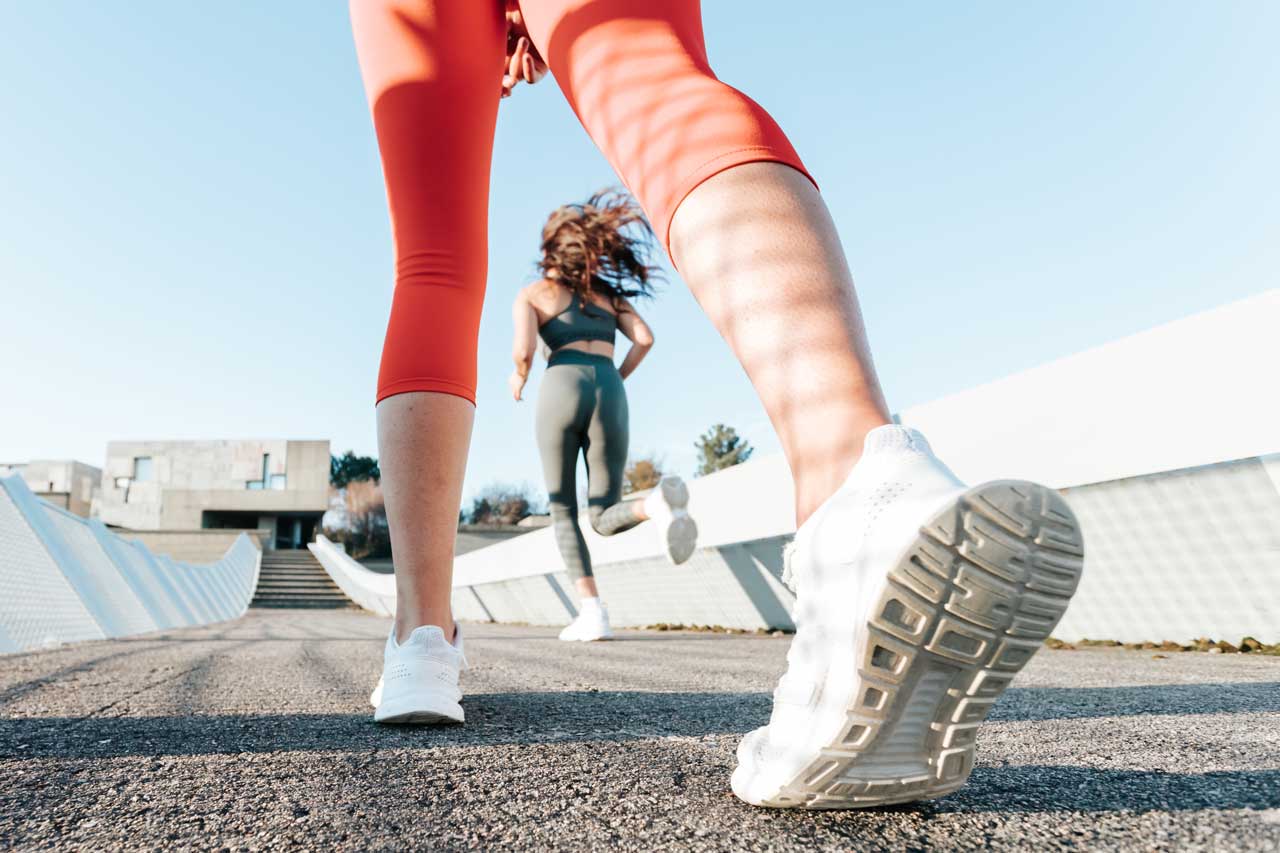
Running has never been more popular. Marathons, trail races, half-marathons, weekly jogs… one in four adults in France runs regularly, totalling around 13 million people. And that is excellent news for health in general.
But the effects of running on your veins are often misunderstood. While running can be a powerful ally for your circulation, overly intensive or poorly equipped training can, in some people, become a source of venous problems. Dr Paul Pittaluga, a vascular surgeon specialising in venous disease, sets the record straight.
Running: A Natural Ally for Your Venous Circulation
To understand why running is generally beneficial for the veins, it is important to recall a fundamental mechanism: the muscular drainage pump.
Unlike arteries, which rely on the heart’s propulsive force, veins must push blood upward against gravity. To do so, they depend on muscular contractions in the calves: with each stride, the muscles compress the deep veins and drive blood back toward the heart. The harder the muscles work, the more efficient this venous return becomes.
Running therefore intensely activates this muscular pump. Regular, moderate practice helps to:
- stimulate venous return;
- reduce blood pooling in the legs;
- relieve the sensation of heavy legs;
- maintain a healthy weight;
- preserve muscle tone.préserver le tonus musculaire.
In this context, running practised in moderation does not cause varicose veins in people with a healthy venous system. The true risk factors for varicose veins remain heredity, pregnancy, age, hormonal imbalances, prolonged standing and being overweight.
But Beware: Intensity and Equipment Make All the Difference
This is where the picture becomes more nuanced. Overly intensive running can, in some individuals, weaken the venous system rather than strengthen it.
Very frequent training sessions, repeated long distances and prolonged efforts place significant strain on the veins. In people who already have venous fragility or a family history of varicose veins, these repeated stresses can trigger the onset of symptoms, accelerate the dilation of certain veins, or worsen existing varicose veins.
There is also a frequently overlooked factor: ground impact. With every stride, the foot strikes the ground and generates vibrations and shocks that travel up through the legs. This mechanical stress, repeated thousands of times during each run, is specific to running — it does not occur when cycling or swimming. If poorly absorbed, it can place pressure on vein walls and increase pressure in the lower limbs.
The answer is not to stop running — it is to run smarter.
Two Essential Precautions to Protect Your Veins
1. The Right Running Shoes
Choosing the right shoes is not just a matter of comfort or performance. Cushioning suited to your gait and your distances absorbs a significant portion of the impact shock, thereby reducing the stress transmitted to your veins and surrounding tissues. Seek advice from a specialist at a dedicated running shop, ideally following a gait analysis.
2. Running-Specific Compression Sleeves or Socks
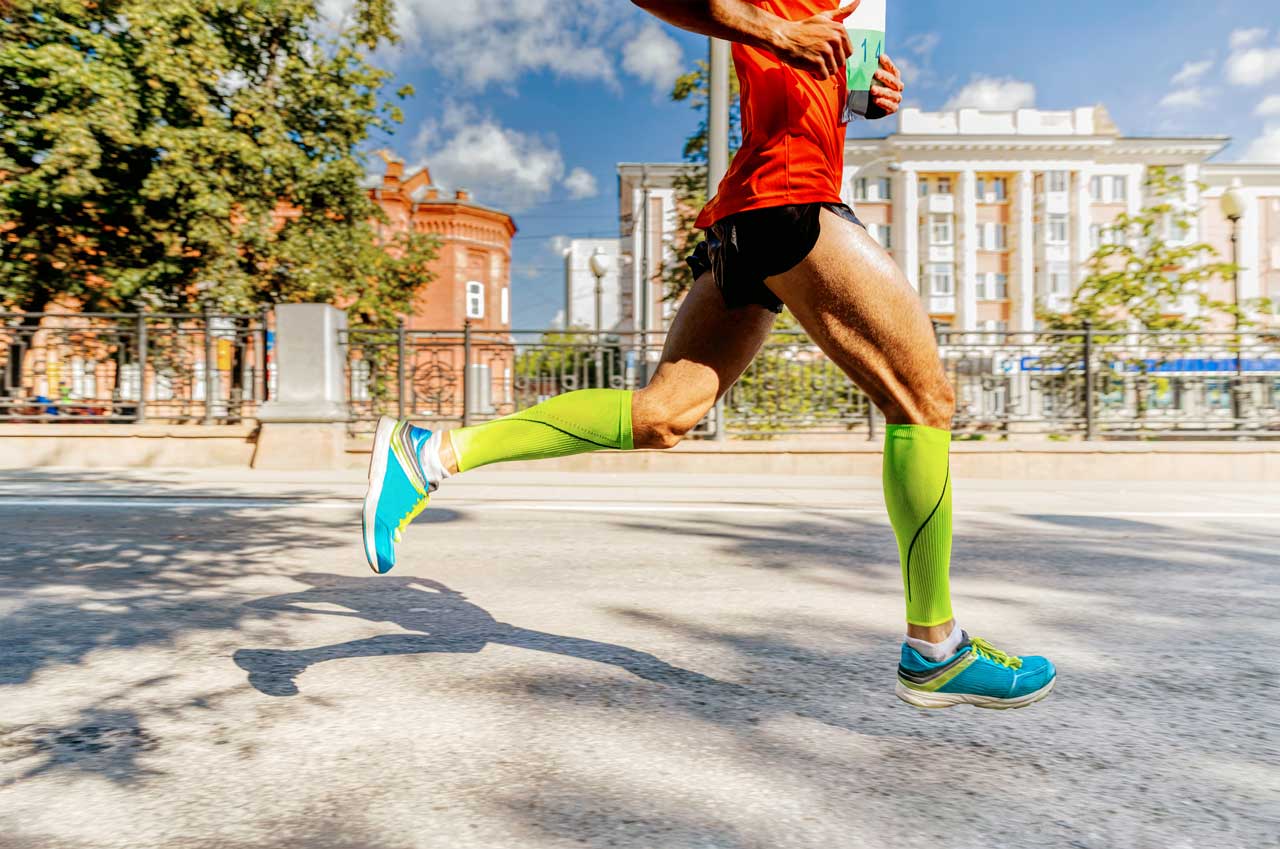
Compression is not reserved for patients with advanced venous conditions. Today there are compression sleeves and socks specifically designed for running, distinct from standard medical compression stockings. Built for physical effort, they help to:
- support venous return during the run;
- limit the vibrations and micro-injuries caused by impact;
- reduce the sensation of heavy legs after exercise;
- speed up recovery.
Their use is particularly recommended for long distances and for people with venous fragility. If you are unsure which level of compression is right for you, medical advice is always the safest option.
Warning Signs to Watch For
Certain symptoms, if they persist after exercise, warrant a specialist consultation:
- recurring heavy legs after running;
- swelling of the ankles or calves;
- frequent night cramps;
- restless leg sensations (an irresistible urge to move the legs);
- the appearance of visible or dilated veins;
- persistent pain in the calves.
These signs do not necessarily indicate venous disease, but they do justify a check-up.